
Quick answer
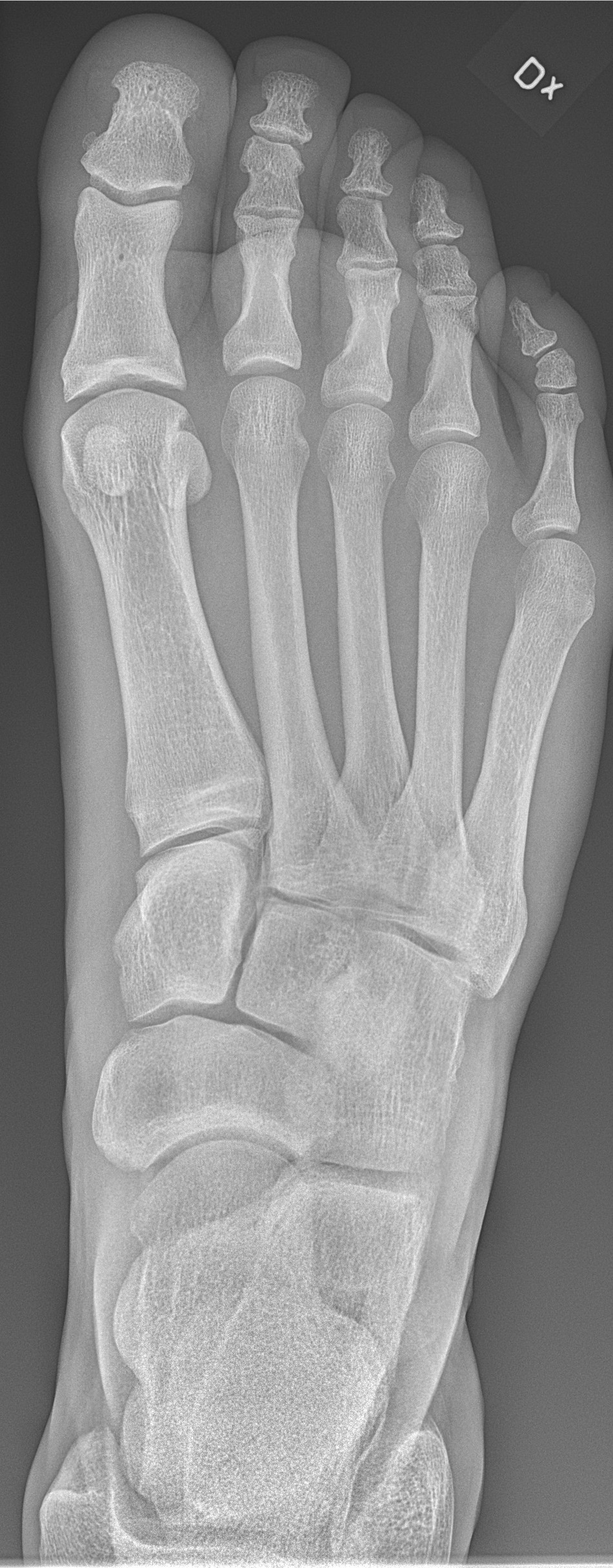
Foot pain is a symptom, not a diagnosis, and the single most useful clue is where it hurts. The foot has 26 bones and more than 30 joints packed into a small space, so a pain’s exact address usually narrows the list to two or three possibilities before any imaging happens. Use the map below, or the interactive atlas, to find your spot.
Get evaluated first if any of these apply. A cold, pale, blue, or numb foot, a red hot swollen foot with fever, or escalating pain after an injury or a new cast are emergencies. And any new foot pain, wound, or swelling in someone with diabetes, peripheral neuropathy, or peripheral arterial disease should be seen the same day, because reduced sensation can hide how serious a problem already is.
Where exactly does it hurt?
Bottom of the heel
The most common foot complaint there is. Sharp pain with the first steps out of bed that eases after a few minutes and returns after sitting is the signature of plantar fasciitis. Other causes at the same address: an inferior calcaneal bursitis, a bruised or thinning heel fat pad, a calcaneal stress fracture (pain when you squeeze the heel from both sides, worse with every step rather than better after warm-up), and Baxter’s neuritis, a nerve entrapment that mimics fasciitis but often burns. In children between about 8 and 14, heel pain during sports is usually Sever’s disease and not fasciitis at all. Full guide: heel pain.
Note that heel spurs show up on many X-rays and are usually not the pain source; the spur is a marker of long-standing fascia tension, not the thing that hurts.
Back of the heel
A different problem from bottom-of-heel pain, with a different list. Pain and thickening in the Achilles tendon itself is Achilles tendinitis. Pain right where the tendon meets the bone, often with a bony bump that rubs in shoes, suggests Haglund’s deformity or retrocalcaneal bursitis. A sudden pop with the feeling of being kicked in the back of the leg is an Achilles rupture until proven otherwise, and it needs same-day evaluation.
Arch
Plantar fasciitis again, since the fascia spans the arch. But arch pain that comes with a flattening arch and aching along the inside of the ankle is posterior tibial tendon dysfunction, which matters because it progresses if ignored. A firm nodule you can feel in the arch is a plantar fibroma. Aching arches at the end of long days, without a focal spot, often trace back to flat feet, high arches, or simply unsupportive shoes.
Ball of the foot
Pain spread across the ball, often with callus under the 2nd and 3rd metatarsal heads, is metatarsalgia. Burning or electric pain shooting into two adjacent toes, with the classic sensation of a pebble or a bunched sock underfoot, is a Morton’s neuroma. Pain and swelling at the base of one toe (usually the 2nd) that feels like the toe is drifting is MTP capsulitis or a plantar plate tear. Focal bone pain after an activity increase is a metatarsal stress fracture. And a small spot that hurts far more than its size suggests is often a porokeratosis, a callus with a deep central core.
Big toe and its joint
Sudden, severe, red, hot, exquisitely tender at the big toe joint, often waking you at night: think gout first. Gradual stiffness with pain on push-off and a bump on top of the joint is hallux rigidus. A bump on the inner side with the toe drifting toward the second is a bunion. Pain under the big toe joint points to the sesamoids or a sesamoid fracture. Pain after the toe was forcibly bent upward, common in court and turf sports, is turf toe.
Top of the foot
See the FAQ below for the full breakdown, but the short version: extensor tendinitis (laces too tight, mileage up), midfoot arthritis (a bony ridge, worse with push-off, common after 50), a stress fracture, a ganglion cyst (visible lump), or, after a twist or fall, a Lisfranc injury. Bruising into the arch after an injury is a Lisfranc red flag and needs weight-bearing X-rays.
Outer edge of the foot
Cuboid syndrome and peroneal tendinitis both produce aching along the outside border, often after an ankle sprain that never fully settled. A sudden pain at the base of the 5th metatarsal after rolling the ankle is a fracture until X-rayed: either a Zone 1 avulsion (heals readily) or a Jones fracture (notorious for non-union). A bump on the outside of the little toe joint is a tailor’s bunion.
Toes
Hammertoes, claw toe, and mallet toe each bend at a different joint and rub in different places. Corns form over the bony prominences they create. Pain along a nail border is an ingrown toenail, and if it is red, swollen, and draining, it has become a paronychia. A dark spot under a nail after trauma is usually a subungual hematoma, but a dark streak that appears without injury and widens over time needs urgent evaluation to rule out melanoma.
Both feet, burning, numb, or tingling
This pattern points away from mechanics and toward nerves. Peripheral neuropathy typically starts in the toes and spreads upward symmetrically in a stocking pattern; diabetes is the most common cause, but it is far from the only one. Burning that worsens at night, numbness, pins and needles, or a feeling of walking on sand are the usual descriptions. Cramping in the calves and feet brought on by walking and relieved by rest is a different animal: that is claudication from peripheral arterial disease, and it deserves attention beyond the foot, because it signals cardiovascular risk overall.
When to see a clinician
Emergency department
- A foot that is cold, pale, blue, or newly numb
- A red, hot, swollen foot with fever, chills, or feeling unwell
- Severe, escalating pain after an injury or inside a new cast
- Obvious deformity after trauma, or inability to bear any weight
Same-day
- Any new foot pain, wound, blister, redness, or swelling if you have diabetes, neuropathy, or peripheral arterial disease
- A suspected Achilles rupture (sudden pop, weak push-off)
- A dark streak under a nail that appeared without injury, or pigment spreading onto the surrounding skin
Standard appointment
- Pain lasting more than 2 to 3 weeks despite rest and better shoes
- Pain that limits walking or keeps returning to the same spot
- Pain with numbness, tingling, or burning
- Pain in both feet with no obvious mechanical explanation
What helps most foot pain in the meantime
None of this replaces a diagnosis, but it rarely hurts while you wait for one:
- Supportive shoes with a firm midsole, worn indoors too. Bare feet on hard floors make most foot pain worse.
- Back off the aggravating load rather than stopping everything. Swap impact for cycling or pool work.
- Ice the sore spot for 10 to 15 minutes after activity.
- Stretch the calves morning and evening. Tight calves (equinus) drive a surprising share of foot pain, from the heel to the ball.
- Over-the-counter topical options are reasonable for localized pain, and carry less systemic risk than oral medication.
Skip the aggressive self-treatment. Cutting calluses, using medicated acid pads on a lesion you can’t identify, or pushing through focal bone pain each turn a small problem into a bigger one, and all three are genuinely dangerous with diabetes or neuropathy.
Bottom line
Foot pain is common enough to feel unremarkable and specific enough to be diagnosable. Start with the address: a heel that hurts with the first steps of the morning, a burning between two toes, a bony ridge on top of the arch, and a big toe that turned red overnight are four different problems with four different answers. Most foot pain is mechanical and responds well once it’s correctly named. The exceptions worth knowing are the emergencies at the top of this page and the both-feet, no-injury patterns that can be the first sign of something systemic. This page is educational; the diagnosis needs a clinician who has examined your foot.
Frequently asked questions
What does pain in the ball of my foot mean?
Ball-of-foot pain (metatarsalgia) is usually one of four things, and the exact spot separates them. Pain spread across the ball under the 2nd and 3rd toes with a callus is classic metatarsalgia from pressure. Burning or electric pain shooting into two adjacent toes, often with a feeling of a pebble in the shoe, suggests a Morton's neuroma. Pinpoint pain under one metatarsal head that hurts to press, especially after a jump in activity, raises a stress fracture. Pain right under the big toe joint points at the sesamoids. A pain that seems far worse than the small spot it occupies can be a porokeratosis, a nucleated callus with a deep core.
Why does the top of my foot hurt?
Top-of-foot pain has a shorter list than the bottom. The common causes: extensor tendinitis (often from shoelaces tied too tightly or a sudden mileage increase), midfoot arthritis (an aching bony ridge across the arch that worsens with push-off, common after age 50), a metatarsal stress fracture (focal bone pain that builds over weeks of activity), a ganglion cyst (a visible soft lump), or, after a twisting injury, a Lisfranc injury, which is the one you must not miss. Top-of-foot pain with bruising into the arch after any injury needs an X-ray.
What causes foot pain that isn't from an injury?
Plenty of foot pain arrives with no injury at all. Overuse conditions build silently: plantar fasciitis, tendinitis, and stress fractures often start after a change in activity, weight, or footwear rather than a single event. Arthritis wears in over years. Gout attacks a joint overnight with no warning. Peripheral neuropathy produces burning or numbness in both feet without any trauma. And peripheral arterial disease causes pain with walking that eases with rest. No-injury foot pain is not less important than injury pain; it just has a different list.
When should I worry about foot pain?
Get emergency care for a foot that is cold, pale, blue, or newly numb; a red, hot, swollen foot with fever or feeling unwell; pain that is severe and escalating after an injury or a new cast (possible compartment syndrome); or an obvious deformity after trauma. Get same-day care for any new foot pain, wound, redness, or swelling if you have diabetes, neuropathy, or poor circulation, because these can mask a serious problem. Otherwise, book a regular appointment for pain that lasts beyond 2 to 3 weeks, limits your walking, or keeps coming back to the same spot.
Why do my feet hurt when I stand all day?
Standing loads the foot without the rest-and-recover cycle that walking provides, so the tissues that resist collapse get no break. The usual culprits: plantar fasciitis (pain in the heel and arch, worst with the first steps of the day), plain fatigue in a foot whose arch is working overtime (flat feet or fallen arches), and forefoot pressure pain in shoes with thin, flat soles. Hard flooring makes all of it worse. Supportive shoes with a firm midsole, an insole or orthotic, and an anti-fatigue mat where you stand address most of it. Pain that persists despite those deserves a diagnosis rather than another insole.
Is foot pain a sign of something serious?
Usually not. Most foot pain is mechanical: overuse, footwear, or wear in a joint, and it responds to the right diagnosis and a change in load. But feet do reveal systemic disease. Burning or numbness in both feet can be the first sign of diabetes or another neuropathy. Cramping in the calves and feet with walking can signal peripheral arterial disease, which is a marker for heart attack and stroke risk. Sudden severe pain in one red hot joint can be gout or infection. Persistent swelling in both feet can point to heart, kidney, or liver problems. That's why foot pain that doesn't fit a mechanical story deserves a look.
How do I know if my foot pain is a stress fracture or something softer?
A few patterns separate bone pain from tendon or fascia pain. Stress fractures produce pinpoint pain over the bone that you can reproduce by pressing one finger on one spot, they worsen steadily with activity rather than warming up, they often follow a recent jump in training or a change in surface, and they can ache at night. Tendon and fascia problems are usually worse at the start of activity, warm up as you move, and hurt again afterward. Any pain that fails that warm-up test and stays focal over bone deserves imaging; early X-rays are often normal in stress fractures, so a normal film doesn't rule it out.
Sources
Last updated: July 16, 2026

About the author
Written and reviewed by a Doctor of Podiatric Medicine (DPM) practicing in Arizona for 6+ years. Board-certified by the American Board of Podiatric Medicine (ABPM); graduate of Midwestern University Arizona College of Podiatric Medicine.
Last clinically reviewed: July 16, 2026