Quick answer
The sesamoids are two small pea-sized bones embedded in the tendons under your big toe joint. They act like pulleys, helping the big toe push off when you walk. Sesamoiditis is inflammation of these tendons and bones from repetitive pressure. Pain feels like walking on a sharp marble right under the big toe.
How to recognize it
- Dull, achy pain under the ball of the foot, just behind the big toe
- Pain that worsens with push-off: running, jumping, dancing, walking on tiptoes
- Worse barefoot on hard floors and in high heels
- Sometimes swelling and bruising
- Difficulty bending the big toe in severe cases
- One specific spot of tenderness when pressed
What’s actually happening
The sesamoids are tiny, about pea-sized, and they sit on the bottom of the first metatarsal head. Every time you push off your big toe, they bear the load. Repetitive overload causes a spectrum of problems:
- Sesamoiditis: inflammation of the surrounding tendons (most common, mildest)
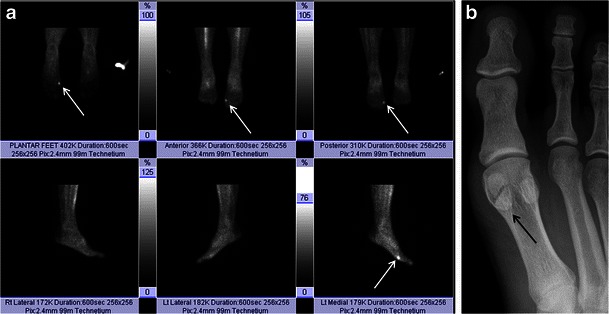
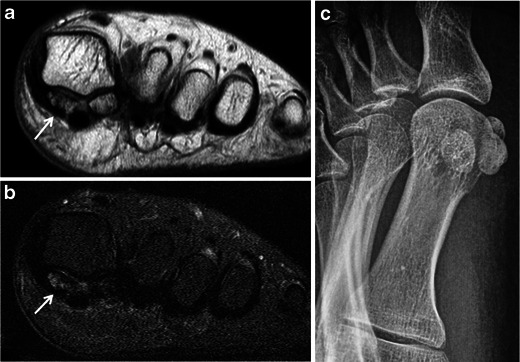
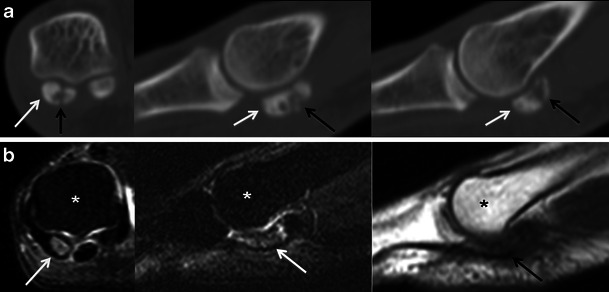
- Sesamoid stress fracture: cracked sesamoid from chronic overload (more serious)
- Acute sesamoid fracture: direct impact (rare)
- Avascular necrosis: sesamoid bone dies from interrupted blood supply (chronic, severe)
- Bipartite sesamoid: a normal anatomical variant where the sesamoid is in two pieces; can be confused with a fracture on X-ray
A clinician can usually distinguish these with a careful exam, X-rays, and sometimes MRI. A separate consideration is a small surface lesion called porokeratosis plantaris discreta (PPD): a discrete, deep, disproportionately painful sole keratosis that can sit just under the sesamoid region and be mistaken for sesamoiditis on history alone. Visual inspection of the sole differentiates the two.
Why it happens
- High-impact activities: running, dance (especially ballet on pointe), basketball, sprinting
- Sudden training increases
- Hard surfaces
- Worn-out shoes with thin forefoot cushioning
- High-arched feet: push more weight onto the ball of the foot
- High heels: shift body weight forward
- Direct trauma: landing on the ball of the foot from height
What to do about it
First-line treatment (works for most cases)
- Stop or reduce the offending activity for 4–6 weeks
- Ice the area 15–20 minutes after activity
- NSAIDs for short-term pain relief
- Stiff-soled shoes to limit big toe bending
- Cushioned insole or metatarsal pad placed just behind the ball of the foot to offload the sesamoids
- Tape the big toe to limit upward motion
- Avoid high heels and flexible shoes during recovery
When initial measures aren’t enough
- Walking boot for 2–4 weeks for significant pain
- Custom orthotics with a sesamoid-relief cutout
- Physical therapy for foot strengthening
- Steroid injection: used cautiously around the sesamoids
- Imaging (MRI, bone scan) if pain persists more than 6 weeks
Surgery (rare)
For chronic cases that fail 6+ months of conservative care, surgical options include partial or complete sesamoid removal. Outcomes are generally good but recovery is significant. Removing both sesamoids is avoided when possible since it can affect big toe push-off power.
When to see a clinician
- Pain doesn’t improve after 2–3 weeks of rest and shoe changes
- Sudden severe pain in the ball of the foot (could be a fracture)
- Significant swelling, bruising, or warmth
- Pain limiting walking or daily activity
- You have diabetes or any condition affecting circulation
Prevention
- Build training gradually: sudden mileage or intensity jumps are the #1 trigger
- Replace shoes every 300–500 miles for runners
- Cushioned forefoot in shoes for high-impact activity
- Limit time in high heels
- Address foot mechanics: high arches benefit from cushioned, supportive shoes
- Listen to early symptoms: a few days of rest at the first twinge prevents weeks of recovery
Frequently asked questions
Why does it hurt underneath my big toe joint when I walk?
Pain felt directly under the big toe joint, especially during push-off, most often comes from the sesamoids, the two small bones embedded in the tendon beneath the joint. Sesamoiditis (inflammation from repetitive load) builds gradually; a sesamoid fracture tends to start suddenly after an impact or a specific step. Other causes live in the same square inch: MTP capsulitis (irritation of the joint capsule), gout (abrupt, red, hot, and swollen), turf toe (a hyperextension injury), and hallux rigidus (arthritis, where stiffness and a bump on top usually dominate). The pattern of onset, the exact spot of tenderness, and an exam or X-ray separate them. Pain in this area that persists beyond 2 to 3 weeks of rest deserves an evaluation rather than more waiting.
How can I tell sesamoiditis from a sesamoid fracture?
You often cannot, from the outside, and the two are managed differently, so imaging matters. Clues that favor sesamoiditis: gradual onset over weeks of increased activity, aching that warms up somewhat, tenderness without a single acute injury. Clues that favor fracture: a specific moment of injury, sharp pain with every push-off from day one, swelling and bruising. X-rays add a wrinkle: many people naturally have a bipartite sesamoid (one sesamoid in two smooth-edged pieces from birth), which mimics a fracture on film. Comparing both feet, looking at the fragment edges, and sometimes MRI or bone scan settles it. This is a distinction worth getting right early, because a true sesamoid fracture that keeps taking load can be slow to heal.
Sources
Last updated: July 11, 2026

About the author
Written and reviewed by a Doctor of Podiatric Medicine (DPM) practicing in Arizona for 6+ years. Board-certified by the American Board of Podiatric Medicine (ABPM); graduate of Midwestern University Arizona College of Podiatric Medicine.
Last clinically reviewed: July 11, 2026