What it is
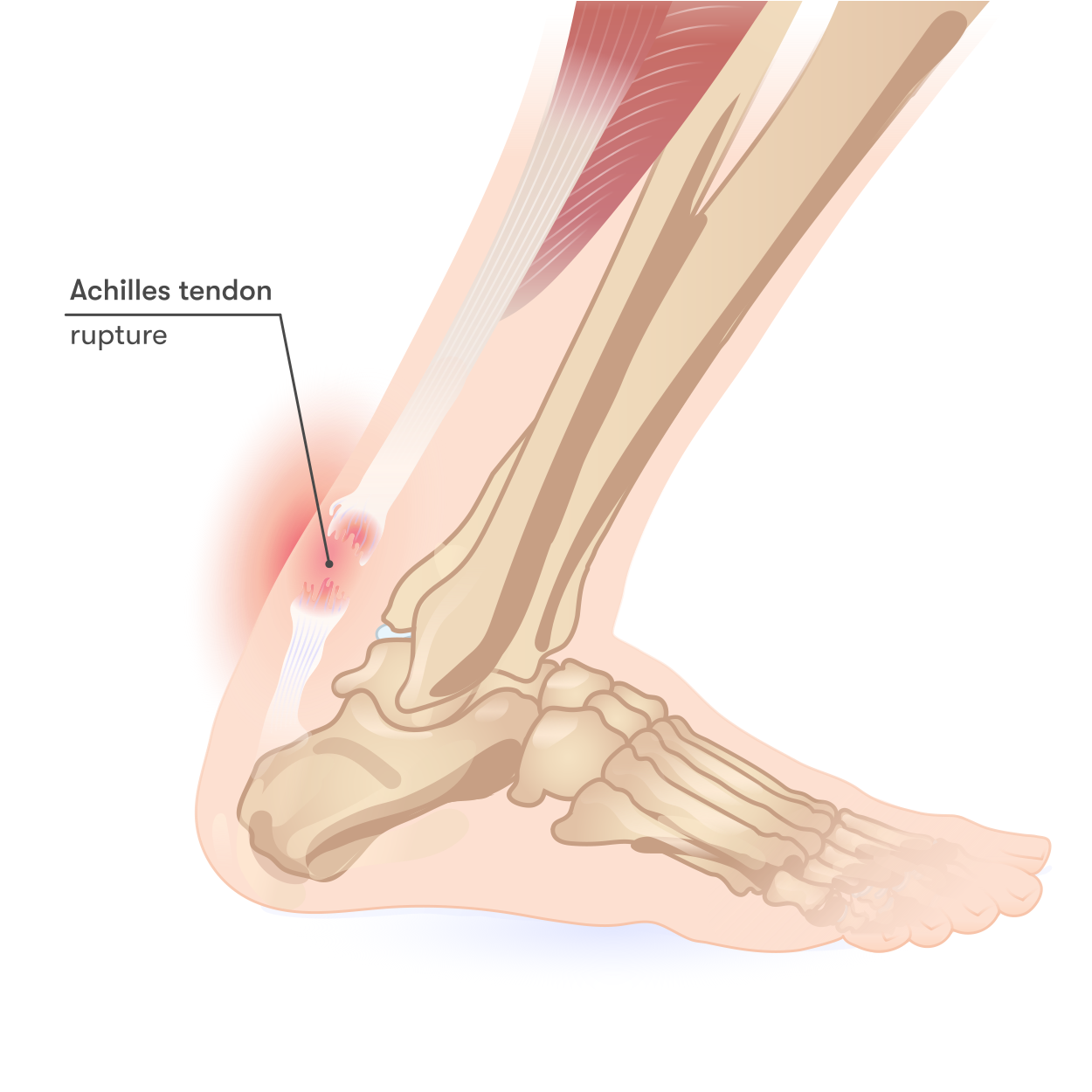
The Achilles tendon is the largest, strongest tendon in the body, a thick fibrous cord that connects the two calf muscles (gastrocnemius and soleus) to the back of the heel bone. It bears enormous load: every step, every push-off, every jump.
Achilles tendinitis is irritation of this tendon. The “-itis” suffix implies inflammation, but research over the last two decades has shown that chronic cases are usually a degenerative process, the tendon’s collagen fibers become disorganized and weakened from repetitive stress, with relatively little inflammation present. That’s why many clinicians now prefer the term Achilles tendinopathy for chronic cases.
There are two main locations:
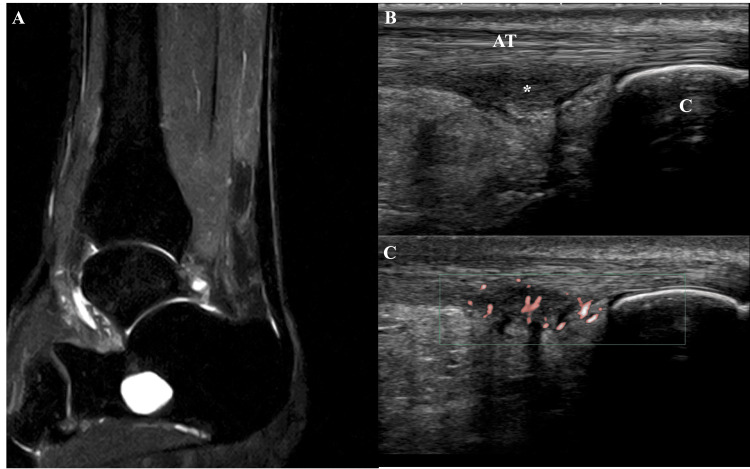
- Insertional Achilles tendinitis: at the very back of the heel, where the tendon attaches to bone. Often associated with Haglund’s deformity and posterior heel spurs that form within the tendon attachment.
- Mid-portion Achilles tendinopathy: 2–6 cm above the heel, in the body of the tendon. More common in runners.
These two are treated somewhat differently, so identifying the location matters.
Symptoms
The classic presentation:
- Stiffness and pain at the back of the heel or lower calf, worst with the first steps in the morning or after sitting
- Pain that warms up briefly during activity, then returns afterward, sometimes worse later that day or the next morning
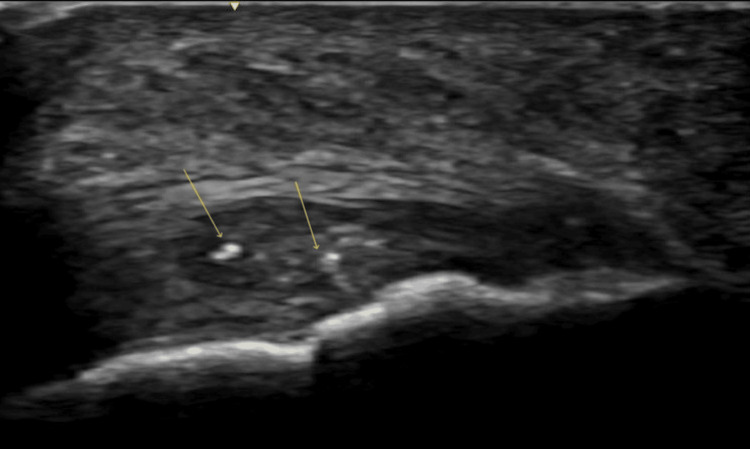
- A palpable thickening of the tendon (you can often feel the lump)
- Tenderness when squeezing the tendon
- Reduced ankle flexibility, especially pulling the toes upward
- Crepitus (a creaking sensation) in some cases
A sudden severe pain or “snap” with inability to push off the foot is different, that’s a possible Achilles rupture and warrants immediate medical attention.
What causes it
The tendon is built to handle stress, but the repair rate has limits. When load consistently exceeds repair, the tendon weakens. Common contributors:
- Sudden increase in activity: a new running program, a return from injury, training for a race
- Tight calf muscles: limit ankle flexibility and shift load onto the tendon
- Worn-out shoes: particularly running shoes past their useful life (~300–500 miles)
- Hard or uneven surfaces: hill running is a notorious trigger
- Foot mechanics: overpronation or high arches change tendon loading
- Age: collagen quality declines, especially after 40
- Certain antibiotics: fluoroquinolones (Cipro, Levaquin) can predispose to tendon problems
Treatment options
The vast majority of cases respond to conservative care, but Achilles tendon issues are notoriously slow to heal, expect months, not weeks.
First-line treatments
- Reduce, don’t eliminate, activity: complete rest can actually worsen tendon healing. Cross-train with low-impact activities (swimming, cycling).
- Heel lifts: small wedges placed inside both shoes reduce stretch on the tendon. Often dramatic short-term relief.
- Calf stretching: gentle, sustained stretches several times daily.
- Ice: 15–20 minutes after activity helps with pain.
- NSAIDs: short-term for pain, though they may slow tendon healing if used long-term. A topical NSAID delivers less drug into your system.
The cornerstone of recovery: eccentric exercises
The single most evidence-supported treatment is the eccentric heel-drop protocol (Alfredson protocol). It involves slowly lowering the heel below a step, twice daily, with both straight and bent knees. The exercises are deliberately uncomfortable but produce structural improvement in the tendon over 6–12 weeks. A physical therapist can teach proper form.
When conservative care isn’t enough
- Physical therapy: beyond eccentrics, includes strengthening, gait analysis, and manual therapy
- Shockwave therapy (ESWT): non-invasive, evidence-supported for chronic cases
- Platelet-rich plasma (PRP) injections: controversial; evidence is mixed
- Night splints: keep the tendon gently stretched during sleep
- Boot immobilization: for severe cases, a few weeks in a walking boot
- Surgery: last resort, reserved for cases that fail 6+ months of dedicated conservative care
Avoid corticosteroid injections directly into the Achilles tendon. They provide temporary pain relief but can weaken the tendon and dramatically increase rupture risk.
When to see a clinician
Get evaluated promptly if you have:
- A sudden snap or pop with inability to push off (possible rupture, same-day evaluation)
- Severe swelling or bruising at the back of the heel
- Pain that doesn’t improve after 1–2 weeks of rest and basic care
- Recurrent flare-ups despite home management
- Visible lump or marked thickening of the tendon
Earlier intervention generally means a better recovery.
Prevention
If you’re returning to activity after time off, or starting something new:
- Build mileage gradually: the “10% rule” is a reasonable starting point
- Stretch your calves daily, not just before runs
- Replace running shoes every 300–500 miles
- Add strength work: strong calves protect the tendon
- Don’t ignore early symptoms: a few days of rest now beats months of recovery later
Frequently asked questions
How long does Achilles tendinitis take to heal?
Most cases improve significantly in 4–6 weeks with rest, eccentric calf strengthening, and reduced activity. Full recovery typically takes 3–6 months, the Achilles tendon heals slowly because of its limited blood supply. Chronic cases (tendinosis) can take longer.
Can I run with Achilles tendinitis?
Mild cases sometimes tolerate reduced running, but most clinicians recommend stopping running until pain settles. Continuing to run through tendinitis can progress it to tendinosis (chronic degeneration) or even partial tear. Cross-train with swimming or cycling instead during recovery.
Should I stretch a sore Achilles?
Gentle calf stretches are usually helpful, tight calves (equinus) are a major contributor. But avoid aggressive stretching on a swollen, painful tendon. The most evidence-based exercise is the Alfredson protocol of eccentric heel drops, done slowly and progressively.
What's the difference between Achilles tendinitis and a torn Achilles?
Tendinitis is inflammation or irritation of the tendon, with pain that builds gradually and worsens with activity. A tendon rupture is a sudden, often dramatic event, a popping sensation, immediate weakness, and difficulty walking on the toes. Rupture is a medical urgency; tendinitis usually isn't.
Does Achilles tendinitis go away on its own?
It can, but only if you reduce the activity that's irritating it. Continuing the same training load that caused the problem will keep it active. Most cases need some combination of rest, eccentric strengthening, supportive footwear, and time.
What shoes are best for Achilles tendinitis?
Shoes with a higher heel-to-toe drop (10–12 mm) during recovery reduce strain on the tendon; transition to lower drops gradually as you heal. A firm heel counter and good cushioning under the heel also help. Avoid flat shoes (zero-drop) and barefoot walking on hard surfaces during a flare.
Sources
Last updated: July 16, 2026

About the author
Written and reviewed by a Doctor of Podiatric Medicine (DPM) practicing in Arizona for 6+ years. Board-certified by the American Board of Podiatric Medicine (ABPM); graduate of Midwestern University Arizona College of Podiatric Medicine.
Last clinically reviewed: July 16, 2026